
Talent Matters
Employer branding that works.
by Bharani Nagarathnam
To recruit next-generation talent, you have to meet them where they are. They are online. In order for them to view your company as a potential employer, you must establish your company as a reputable employer and a great place to work. This is done through effective employer branding, mostly online to increase visibility, interest, and ultimately the quantity and quality of applicants.
The No. 1 obstacle candidates experience when searching for a job is not knowing what it’s like to work at your company. The way to open the virtual door to your company’s work environment, culture, people, and opportunities is to showcase them and talk about them online. This is called employer branding. Employer branding is more than a logo, tagline or slogan. It is what your company stands for, its purpose, and how you treat your employees. Creating authentic and original employer branding is critical to gaining traction with prospective employees. Let’s discuss the three key elements of employer branding: (1) your career website, (2) your social recruiting, and (3) your applicant experience.
YOUR CAREER WEBSITE
The career/jobs section of your website is the first place prospective employees visit. If it just lists your open positions and not much information, then you have lost the opportunity to make a first impression. Well-crafted content, a clearly articulated employee value proposition (EVP), benefits, employee videos/testimonials, career path, training and development opportunities all help differentiate your organization in the eyes of a prospective employee.
If your company offers internships and college recruiting for entry level positions, include information on the process of applying, any rotational experience, and career path. Include your history, community engagement, and giving back – Gen Z likes to work for a company with a purpose beyond profits.
Candidates trust the company’s employees three times more than the company itself to provide credible information on what it’s like to work there, according to LinkedIn Employer Brand Statistics. Use testimonials, videos, and photos of employees to support your messaging. Avoid using stock photos. Need more ideas? Look at top manufacturer or distributor websites in your channel.
YOUR SOCIAL RECRUITING
Social media — such as LinkedIn, Instagram, and Facebook — have tremendous reach. It is one of the fastest, cheapest, and most effective ways of reaching the prospective candidates. The top reason for changing jobs is career opportunity. However, 70% of the workforce are passive candidates (not actively looking for a job). Showcasing what it’s like to work in your company may motivate them to apply.
Most distributors and manufactures already do a good job of promoting their products and services on social media. You should also promote your employer brand. Focus your social recruitment messaging and content that address the needs of the next generation workforce.
Use these examples to get started: (1) employees with a milestone celebration, new employees, employee appreciation days; (2) culture with history, company events, social celebrations, branch events, a leadership message; (3) growth opportunities with job postings, interns, training and development, promotions, and success stories.
The key to social recruiting success is consistency, variety, and authenticity. An unedited video recorded on your phone is more likely to get visibility than a corporate-produced video. HR should work with marketing to create a 52-week plan with at least one to two posts per week focused on social recruitment. Use multiple platforms to engage with different audiences, and engage your employees to share, like, and comment.
APPLICANT EXPERIENCE
Once you gain the attention of prospective employees through your website and social media posts and convert them to an applicant, their experience during the application process through final acceptance of the job is critical. According to the Talent Board, 47% of applicants never hear a response from employers. This leads applicants to think, “If they can’t treat me well as an applicant, how will they treat me as an employee?”
Design a thoughtful process of communication that includes acknowledging emails, scheduling interviews, and timely rejections. Everyone you interview should receive a timely response, even if they are not selected for a next step.
Create an applicant journey map. Applicant mapping is seeing the process through the candidate’s eyes. Move your thinking from recruitment funnel to recruitment journey. Poor candidate experience impacts quality of hires, time to hire, and future talent pools – ultimately affecting your ability to grow and potentially damaging your employer brand.

Dr. Bharani Nagarathnam is an associate professor and director of the Master of Industrial Distribution at the Industrial Distribution Program at Texas A&M University. He is the co-founder of the school's Talent Development Council and works with distributors on talent acquisition, management, development, and retention practices. Connect with him at: https://www.linkedin.com/in/bharanin/
This article originally appeared in the March/April 2026 issue of Industrial Supply magazine. Copyright 2026, Direct Business Media.

INDUSTRIAL SUPPLY MAGAZINE


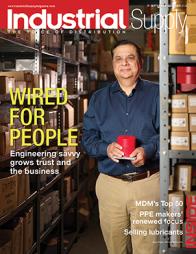
The September/October issue of Industrial Supply magazine features an in-depth cover story about Rotator Products. Plus, we're featuring articles by contributing writers Dr. Bharani Nagarathnam and Frank Hurtte, as well as interviews with numerous product and distribution industry experts.