


You bought the technology… now what? Teach your team to use technology confidently and strategically
Today’s distributors are investing in more digital tools than ever before, including:
- ERP systems
- CRM platforms
- eCommerce tools
- Inventory management software
- AI-powered platforms
- Reporting dashboards
 But simply investing in technology doesn’t guarantee it will get used. Technology is just a tool. It will only accomplish the intended outcome, and be valuable, if your people use it appropriately.
Many organizations still struggle with low adoption and inconsistent use. When employees aren’t confident using these tools in their daily workflows, efficiency gains and customer insights often go unrealized.
Make Data Literacy a Core Skill
Dashboards and analytics tools are everywhere, but reading numbers and understanding the “why” behind them are two different skills.
Strong data literacy helps teams:
- Spot sales and customer trends earlier
- Identify inventory or operational gaps
- Understand margin performance
- Make faster, more proactive decisions
It also improves communication. Teams that can visualize and explain data clearly — through dashboards, charts, and KPI tracking — are better equipped to align around goals and take action.
And the need for these skills is only growing. According to the World Economic Forum, six in 10 workers will require additional training before 2030 due to evolving technology and workplace demands.
- Practical Ways to Build Digital Confidence
- Improving digital fluency doesn’t require a massive overhaul. Start small and focus on practical application:
- Train employees using real company data and workflows
- Encourage hands-on use of new tools immediately after training
- Focus on KPIs that directly impact business goals
- Create a “test-and-learn” culture where experimentation is encouraged
- Include cybersecurity and data privacy awareness in training efforts
Distributors that invest in digital fluency and analytics training aren’t just becoming more efficient. They’re becoming more agile, more customer-responsive, and better positioned for long-term growth.
“Employees aren’t a cost center — they’re an investment in profit. When businesses invest in engagement, development, and well-being, the return is stronger loyalty, better performance, and long-term growth,” said John White, vice president, Watsco.
With 92% of companies set to boost AI spending over the next three years, according to McKinsey research, upskilling your teams so everyone is a “techie” is essential.
This "Tip of the Week" is provided by the Talent Development Council | Texas A&M University.

INDUSTRIAL SUPPLY MAGAZINE



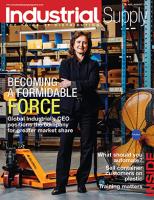
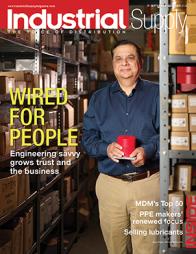
The September/October issue of Industrial Supply magazine features an in-depth cover story about Rotator Products. Plus, we're featuring articles by contributing writers Dr. Bharani Nagarathnam and Frank Hurtte, as well as interviews with numerous product and distribution industry experts.